
A chicken brooder is one of the first places people complicate chick raising for no good reason. The job is simple. Keep baby chicks warm, dry, clean, fed, watered, and out of drafts while they cannot control their body temperature. That is it. The problem is that many brooder setups still get at least one basic wrong.
If you are incubating your own eggs or bringing home day-old chicks, a brooder is not optional. It is their first real environment, and the quality of that environment shows up fast. Chicks do not politely wait for you to figure it out later.
A good brooder keeps the early weeks stable. A bad one creates work, mess, and stress.

Image source: modernfarmer.com
What Is a Chicken Brooder?
A chicken brooder is a heated brooding enclosure used to raise chicks during the first few weeks of life, before they are fully feathered and ready for a grow-out pen or coop. It replaces what a mother hen would normally do: provide warmth, shelter, and a protected place to settle.
That definition is the easy part. The more useful version is this: a brooder is not simply a box with heat. It is a controlled setup where temperature, airflow, water, feed, cleanliness, and usable space all have to work together.
That is why a proper chicken brooder matters more than people think. Chicks can survive a sloppy setup for a while. That does not make the setup good.
Do You Need a Chick Brooder?
Yes.
If the birds are too young for a coop and cannot regulate their temperature, they need a brooder. People often ask if a shortcut exists, but raising chicks without a proper brooder puts them at significant risk. Without an adequate brooder, chicks may become chilled or stressed, leading to poor growth, disease, or death. There is usually only a range between a “decent brooder” and a “terrible improvised setup.”
A brooder gives chicks a warm starting point, clean access to water and feed, and protection from drafts and sudden temperature swings. It also gives you a much easier routine, assuming the system was designed by someone who understood that poultry owners have better things to do than clean up preventable chaos all day.
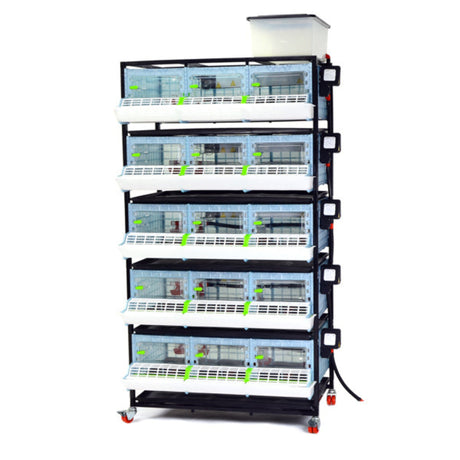
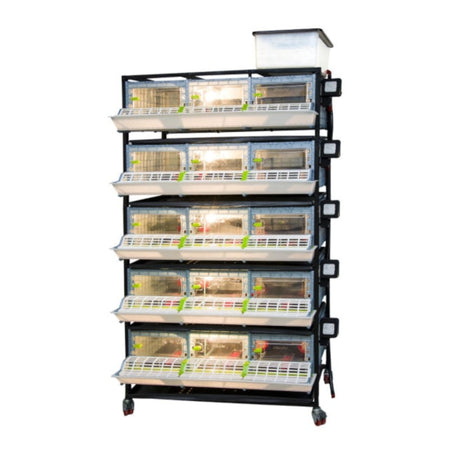
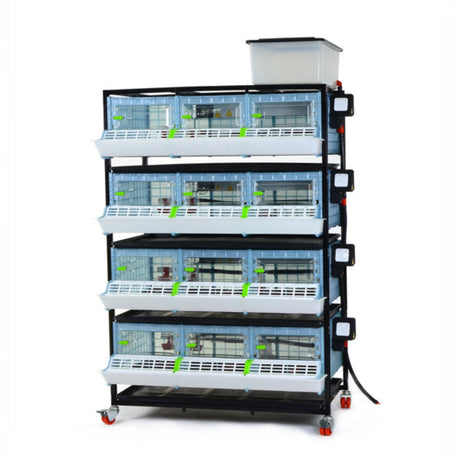
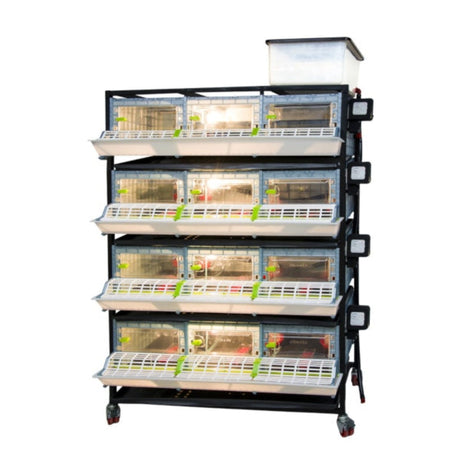
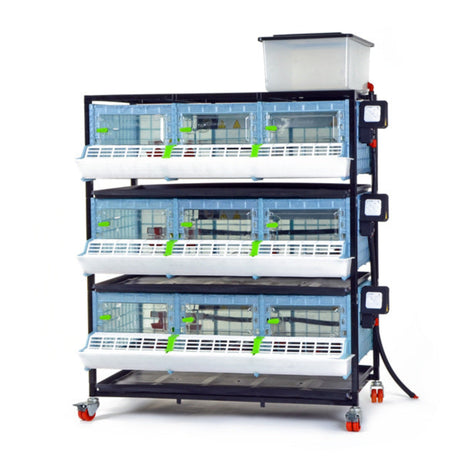
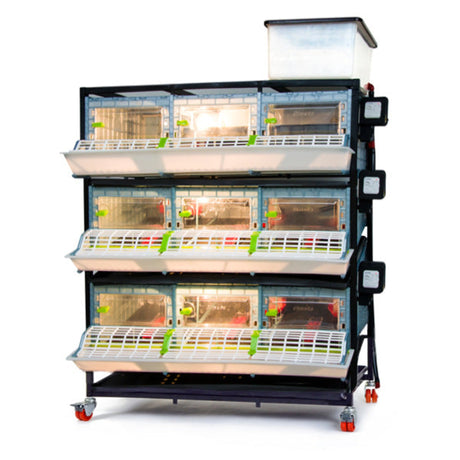
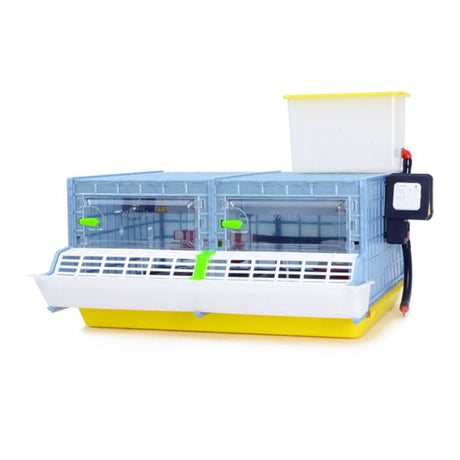
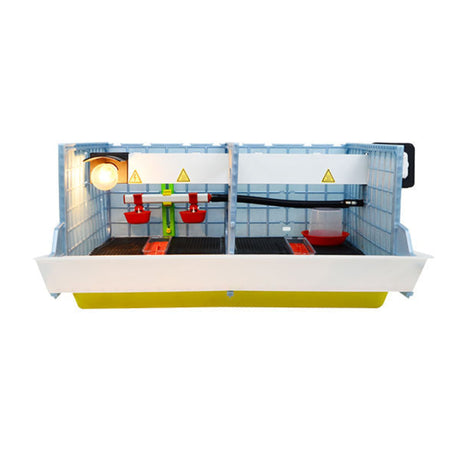
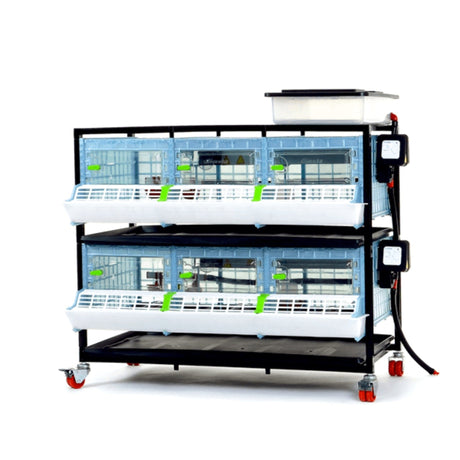
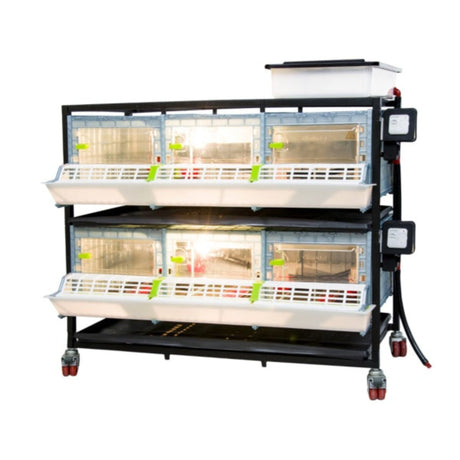
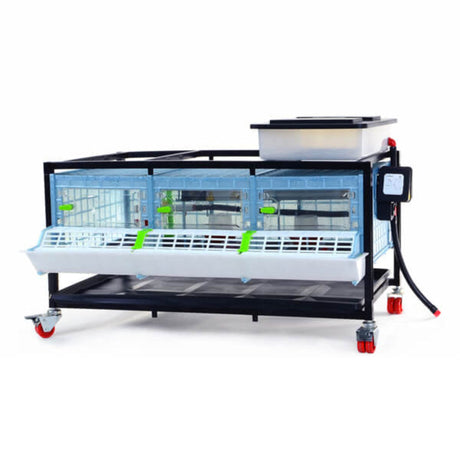
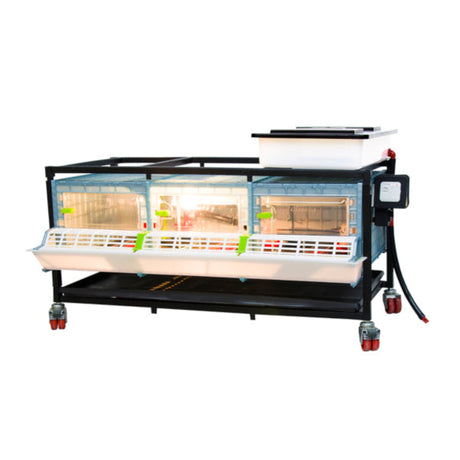
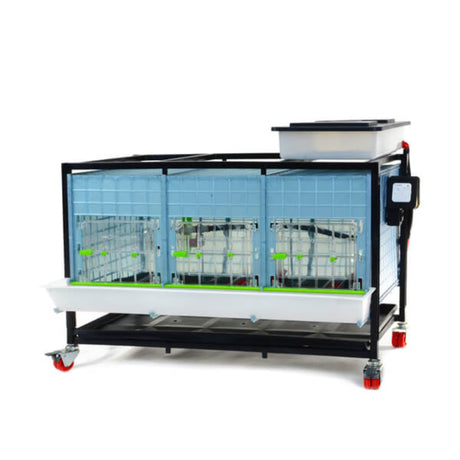
That is where a more complete brooder system starts making sense. Hatching Time’s chick brooders are built around exactly those pain points: draft-free design, built-in 20-inch personal heater, gravity-fed water system, smart feeder grills, starter feeders and drinkers for the first weeks, and a stackable format that saves space instead of swallowing it whole.

What Should a Good Chick Brooder Include?
A brooder does not need to be fancy. It needs to work.
It should include:
- a safe, stable heat source
- protection from drafts
- clean food and water access
- enough room for chicks to move without crowding
- flooring that gives chicks decent footing
- a setup you can actually keep clean
That last part is often ignored. People build brooders as if only chicks live with the consequences. They do not. If the enclosure makes feeding messy and cleaning a punishment, the system will get old fast.
This is also why integrated setups usually beat pieced-together ones. When heat, watering, feeding, waste management, and layout are already working together, you spend less time compensating for bad design.
What Is the Safest Source of Heat for a Brooder?
Not all heat is equal, and not all of it belongs near chicks.
Traditional heat lamps are common because they are familiar, but not the smartest option. They can work but also create unstable hot spots, dry the area unevenly, and make people nervous for good reason. Many poultry keepers have a “heat lamp story,” and few are charming.
A safer option is a brooder heater or built-in heating system that delivers consistent heat without constant adjustment. Unlike traditional heat lamps, which create uneven hot spots and fire risks, brooder heaters provide stable, uniform warmth. This is a key advantage of commercial chick brooders over DIY box-and-lamp setups. For example, Hatching Time’s brooders use a built-in 20-inch personal heater, offering a more reliable and controlled solution than clamp lamps.
What chicks need is not just heat. They need a warm zone in a brooder where they can move in and out based on comfort. If the whole thing is too hot, that is a problem. If only one corner is usable, that is also a problem.
What Should You Put on the Floor of the Brooder?
Something chicks can stand on without slipping, and that you can tolerate for more than two days.
Brooder flooring matters because weak footing can affect how chicks move, rest, and access feed and water. It also matters because wet, filthy flooring turns a manageable brooder into a bacterial swamp much faster than beginners expect.
Hatching Time’s brooder systems are designed to make early chick care easier to manage, with flooring and tray layouts that help keep footing safer for chicks while simplifying cleanup below.
How Long Can Chicks Stay in a Brooder?
Usually around four to six weeks, depending on breed, feathering, ambient temperature, and how well the birds are developing.
So yes, four to six weeks is a useful baseline. No, it is not sacred.
What’s the Difference Between a Brooder and a Coop?
A brooder is for chicks that still need artificial warmth and close supervision. A coop is for birds that are past that stage.
That is the difference.
A brooder is temporary and controlled. A coop is the next home. Mixing those up is how people move chicks too early and then act surprised when the birds huddle, stress, or fall behind.
How Much Room Does a Chick Need in a Brooder?
More than people expect, and sooner than they think.
Crowding is one of those problems that sneaks in quietly and then wrecks the mood fast. Chicks need space to rest, eat, drink, move toward warmth, and move away from it. Once they start piling on each other, fouling water constantly, or getting jumpy around the feeder, the brooder is telling you something.
As a starting point, about half a square foot per chick is used early on, then increased as they grow. To visualize, imagine a sheet of standard printer paper on the brooder floor for each chick; this is roughly the minimum space needed in the first week. The bigger point is that usable space matters, especially for larger breeds.
That is where product fit actually matters. Hatching Time’s 9.5-inch chick brooders are better suited to quail, pheasants, partridge, and smaller chicken breeds. The 15-inch chick brooders make more sense for larger chicken breeds, ducks, geese, and turkeys. You can also compare the two in more detail in this quail brooder vs chicken brooder guide.

Where Should You Keep a Chick Brooder?
In a draft-free space that is protected, stable, and easy for you to check often.
That might be a garage, enclosed outbuilding, utility room, or another indoor-adjacent setup. What matters is not whether the space sounds rustic enough for a homesteading Pinterest board. What matters is whether it stays stable and lets you manage the brooder properly.
A good brooder placed in a bad environment still has to fight the bad environment.
How Often Should You Clean the Chick Brooder?
Water, feeders, waste, and flooring need frequent checking. If the brooder includes removable trays, that is a gift, not a footnote. Hatching Time’s design provides removable manure trays that can be sprayed down, which is exactly the kind of feature people underestimate right until they have to clean around a crowded waterer for the third time that week.
Can You Leave the Brooder On All the Time?
The heater should stay on.
Chicks need steady warmth early on, so the heating system should stay on. The key question is whether the brooder lets chicks use that heat properly. A decent brooder lets chicks warm up, step away, rest, eat, and move normally. A bad one makes the whole setup uncomfortable.
Why a Modern Chick Brooder Makes More Sense
If a modern baby chick brooder gives you safer heat, cleaner watering, better feed access, stackability, better space efficiency, and easier cleanup, that is not cheating. That is called using a better system.
And that is really the difference with Hatching Time’s brooders. They are designed to make the early weeks less messy, less wasteful.
Final Thoughts
A chicken brooder is one of the first real decisions you make when raising chicks, and it is one of the easiest places to create avoidable problems.
A good brooder keeps things stable. It gives chicks a better start and gives you a setup that does not fight you every day. A bad one turns normal care into constant correction.
That is why this choice matters.
Written by: Elif Öztuna