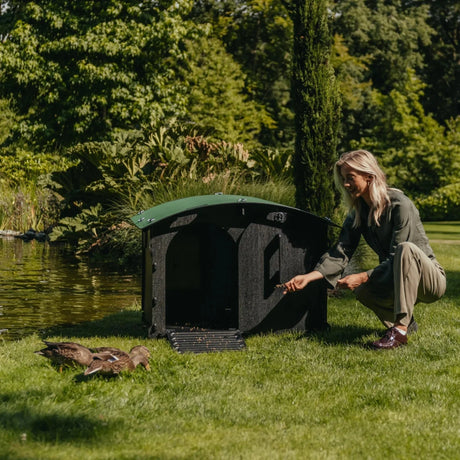

Every fall, I start worrying about the animals that have to spend winter outside. I know some are much better equipped for the cold than others, but that doesn't stop me from thinking about what happens when the temperature suddenly drops.
Ducks are among the lucky ones when it comes to dealing with cold weather. But even if you live somewhere with fairly mild winters, a few freezing nights can cause problems. Their drinking water turns to ice, wet bedding becomes difficult to manage, and the shelter that worked perfectly well all summer might need some attention.
I'd much rather think about these things before winter arrives. So, if you're keeping ducks, here's what I'd check first, what I'd leave alone, and when the cold actually becomes something to worry about.
How do you keep ducks warm in winter? Healthy adult ducks usually don't need a heated coop, but they do need dry bedding, protection from wind and freezing rain, adequate food, and reliable access to unfrozen drinking water. Good ventilation is equally important because moisture can build up quickly inside duck housing. Ducklings, sick birds, and ducks with poor feather coverage may need additional warmth and closer monitoring. (1) (2)
How Cold Is Too Cold for Ducks?
You might have heard that ducks can survive temperatures as low as 0°F (-18°C). Some certainly live through winters that cold, but I wouldn't use that number to decide whether an individual duck is safe outside.
There are too many differences between birds and the conditions they're living in.
An adult Pekin with healthy plumage and a dry place to sleep is better prepared for cold weather than a young duck still growing its feathers. Muscovy ducks tend to be more sensitive to cold than other breeds, and the fleshy caruncles on their faces can also develop frostbite.
Even among birds of the same breed, illness, injuries, and poor feather condition can affect their ability to keep warm. (1)
Weather conditions matter just as much. Freezing rain can leave a duck wet when it needs to conserve warmth, while strong winds make an exposed enclosure a much less comfortable place to spend the day.

The Open Sanctuary Project advises keeping ducks sheltered during extreme cold, freezing rain, and dangerous windchill. It also points out that ducks can develop frostbite despite their reputation for handling cold weather well. (1)
Rather than relying on a temperature chart, pay attention to the conditions around your flock. Is there dry ground available? Can every duck get inside without difficulty? Are they moving and eating normally?
A duck that chooses to sit in the snow for a while may be perfectly comfortable. One that cannot get up, has trouble walking, or stays unusually inactive needs closer attention.
During severe weather, keeping ducks in a protected enclosure may be necessary until conditions improve. Birds that are very young, ill, injured, or poorly acclimated to cold deserve particular consideration.
How Ducks Stay Warm in Freezing Weather
How can ducks spend so much time standing on snow without their feet freezing? Their bodies have a rather clever way of dealing with the temperature difference.
Part of the answer is a circulation system called countercurrent heat exchange. Warm blood traveling toward the feet passes close to cooler blood returning to the body. Heat transfers between them, reducing the amount lost through the feet.

Cornell Lab of Ornithology explains how this arrangement allows birds such as ducks and gulls to maintain body temperature while their feet remain much cooler than the rest of their bodies. (3)
Their feathers do a different job. Dense down traps insulating air close to the body, while outer feathers help protect against moisture. Ducks also spend considerable time preening, which helps maintain their plumage.
You may notice ducks tucking their bills into their feathers or sitting with their feet covered beneath their bodies. Those behaviors can help conserve warmth.
But natural insulation has limits. Ducks can still develop frostbite, particularly on their feet, and a bird with damaged feathers or an underlying illness may have greater difficulty coping with cold conditions.
So, when you see your ducks sitting comfortably on a snowy patch of ground, there's no need to assume something is wrong. The important question is whether they can move normally, access shelter, and return to dry bedding whenever they choose.
How to Prepare a Duck House for Winter
Before the temperature drops, take a close look at your duck house.
Start with the roof and floor. Check for leaks, drafts near the sleeping area, gaps around doors, and any places where rain or melting snow might enter.
Then look at the bedding. Does it stay dry between cleanings? Are there damp corners? Does the floor become slippery when the ducks bring water inside?
A good winter duck house should offer protection from the weather, enough space for the flock, and ventilation that removes moisture without exposing resting birds to direct cold drafts.
Keep bedding dry
Ducks spend much of their resting time on the ground. Unlike chickens, most domestic ducks don't need elevated roosts to sleep.
That makes their bedding especially important.
Clean straw or suitable absorbent shavings can provide a more comfortable resting surface and help insulate birds from cold floors. An extra layer may be helpful during freezing weather, provided the bedding remains clean and dry.
Some poultry keepers use deep litter through winter, periodically adding bedding as the material underneath breaks down.
However, ducks create considerable moisture. Their droppings are wet, and water from drinking and bathing can quickly spread across the floor.
If old bedding becomes soaked, compacted, moldy, or develops a strong ammonia odor, simply covering it with another layer won't solve the underlying problem. Remove the wet material, improve drainage where needed, and replace it with fresh bedding.
Which bedding works best for ducks in winter?
There's no single bedding material that works best in every duck house. The floor, drainage, available ventilation, and how often you can clean all affect the choice.
| Bedding | Advantages | What to watch for |
|---|---|---|
| Straw | Provides a cushioned resting surface and a layer between ducks and cold ground. | Never use damp or moldy straw. Straw carries an increased risk of aspergillosis, and long fibers can become tangled around ducks' legs. |
| Pine shavings | An absorbent option that can make damp areas easier to identify and remove. | Choose low-dust shavings and remove saturated material promptly. Research on pine shaving safety around birds is not entirely settled. |
| Managed deep litter | Can provide additional insulation when properly maintained. | Requires careful moisture management and ventilation. Not suitable for persistently soaked bedding. |
Straw and wood shavings are commonly used for ducks, but neither should be left wet or moldy. The Open Sanctuary Project specifically notes the increased aspergillosis risk associated with straw, as well as concerns about dusty bedding. (1)
Cornell University's Duck Research Laboratory recommends dry absorbent bedding and regular litter management because ducks introduce considerably more moisture into their housing than many other poultry species. (2)
Ventilation matters, even when it's freezing
Sealing every opening might sound like a sensible way to keep a duck house warm. Unfortunately, it can trap moist air inside.
One way to spot trouble is to inspect the walls and ceiling early in the morning. Condensation is a sign that moisture is collecting faster than the shelter can release it. The Open Sanctuary Project recommends addressing condensation promptly because excessive indoor humidity can create health risks for ducks. (1)
Cornell University's Duck Research Laboratory explains that ducks drink and excrete more water than chickens and turkeys, placing greater demands on ventilation and bedding management. (2)
Openings above duck height can help air circulate without sending a cold draft directly across the floor. Keep those openings protected against predators, and check that snow or debris hasn't blocked them. (1)
If the shelter stays damp despite regular cleaning, look at the drinking area as well. The water container may be responsible for more of the moisture than you realize.
Check the entrance and outdoor ground
An entrance that works perfectly during summer may become difficult to use after a snowfall.
Clear accumulated snow, inspect ramps for slippery surfaces, and remove ice wherever ducks regularly walk. A gentle, stable ramp with enough traction is preferable to a steep or slippery approach.
Pay attention to drainage, too. Water collecting outside the entrance can freeze overnight, leaving ducks with an icy patch to cross every morning.

If you're considering new housing, look for good ventilation and easy cleaning access. The Nestera Duck House, for example, has adjustable circular vents, a removable roof, and a rear access door. Those features make it easier to inspect the shelter, remove wet bedding, and keep the sleeping area clean.
How to Keep Duck Water From Freezing
If you've ever had to break a thick layer of ice out of a water bucket, you'll know how quickly winter turns a simple job into a daily chore.
Ducks need drinking water even when the weather is freezing. They also need to clean their bills and nostrils, which means the shape and depth of the container matter.
University of Maryland Extension recommends providing liquid water deep enough for waterfowl to dunk and wash their heads. (4)
A heated bowl or compatible poultry waterer heater can make winter care easier, particularly where water freezes repeatedly throughout the day.
But not every heating device works with every waterer. Check the manufacturer's requirements for container material, size, placement, and electrical safety before installing one.
If you're reviewing poultry waterers and drinkers, remember that a nipple-only drinking system may not provide the separate head-dipping access ducks need. Consider how the birds will wash their bills and faces, not simply whether they can drink from the equipment. (1)
You should also keep inspecting the water. An electrical connection can fail, a heater may stop working, or the drinking surface may freeze during unusually severe conditions.
What if you don't have electricity near the duck house?
You can still provide unfrozen water, although it takes more attention.
Flexible rubber containers are useful because frozen water can be easier to remove. Replacing ice with fresh water several times a day may be necessary when temperatures remain below freezing.
Keep the drinking area close enough to inspect regularly, and make sure every duck can reach it.
During freezing weather, the water may need to be placed inside a protected part of the enclosure. Cornell states that in semi-confinement duck-management systems, water must be provided indoors when temperatures drop below freezing. For a backyard flock, the exact placement will depend on the shelter and water setup, but unfrozen water must remain accessible. (2)
The difficulty is keeping the sleeping area dry.
Placing the waterer above a suitable drainage area or inside a shallow spill-catching tray can help contain splashing. Avoid letting spilled water soak into bedding or freeze where ducks walk.
Do ducks need drinking water overnight?
Cornell University's Duck Research Laboratory recommends making plenty of clean drinking water available for at least 8 to 12 hours each day. It also describes certain management systems where feed and water are withdrawn overnight to help keep litter dry. (5)
That practice applies specifically to breeder ducks or market ducks over three weeks old. Cornell notes that, when managed properly, it does not affect performance during moderate temperatures.
It isn't a general recommendation to remove drinking water from a backyard duck house during freezing winter weather.
For your own flock, make sure the ducks have adequate daily access to clean water, including whenever they are eating. If feed remains available overnight, provide drinking water as well. If you're considering an overnight water-restriction routine, discuss whether it's appropriate for your particular birds and winter conditions with a poultry professional.
Do ducks need a pond in winter?
Ducks enjoy swimming, but an open swimming pond isn't required for normal growth and reproduction, according to Cornell's Duck Research Laboratory. (5)

Drinking water remains necessary, and ducks should have opportunities to clean their faces.
If your birds use a pond, inspect it when ice begins forming. Never assume that partially frozen water is safe simply because ducks were swimming there the previous day.
You may find that a smaller, manageable water container is easier to maintain during the coldest part of winter.
Do Ducks Need Heat Lamps in Winter?
For healthy adult ducks, a heater isn't automatically part of winter preparation.
Many can manage cold conditions with suitable shelter, dry bedding, and protection from severe weather. But there are exceptions, especially during prolonged extreme cold or when individual ducks are already vulnerable. (1)
If a bird is sick, injured, or struggling to maintain its temperature, it may need a warmer environment and veterinary attention.
Young ducklings have completely different heating requirements, which we'll cover separately.
The biggest concern with conventional heat lamps is fire. Bedding, feathers, dust, and electrical equipment are an unfortunate combination when a heating device isn't installed correctly.
Before adding any heating equipment, inspect the housing itself. A heater won't repair a leaking roof, remove damp bedding, or correct inadequate ventilation.
If supplemental warmth is necessary, use equipment intended for poultry or animal housing, keep it away from combustible material, and follow the manufacturer's installation instructions. Whenever possible, ducks should be able to move away from the heated area.
The Open Sanctuary Project identifies ceramic heat panels as a safer alternative to conventional heat lamps. University of Maryland Extension also emphasizes securing heating equipment properly and checking compatibility between heated water bases, containers, and nearby bedding. (1) (4)
What Should You Feed Ducks in Winter?
A flock that spends spring and summer searching for insects and vegetation may have far fewer opportunities to forage once the ground freezes.
That leaves more of their nutritional needs dependent on the feed you provide.
Continue offering a complete ration appropriate for your ducks' age and purpose. If the flock spends extended periods outdoors during cold weather, pay attention to how much they're eating and whether their body condition changes.
Some birds may need additional energy during prolonged cold conditions, but there's no reason to assume every duck needs the same increase in feed.
Cornell emphasizes balanced nutrition and warns that mold-contaminated feed can be especially harmful to ducks. (5)
This is worth remembering during winter, when feed stored in damp sheds or outdoor containers may be exposed to condensation.
Keep feed protected from moisture, clean feeders regularly, and throw away anything that smells musty or shows signs of mold.
If feeding outdoors, choose a location protected from rain and snow. Covered poultry feeders can help manage spillage and protect feed, provided their openings are suitable for a duck's wider bill.
For larger flocks, a 40 lb feed silo with a lockable lid is another equipment option worth considering when planning feed storage and access. Check that the feeding ports and placement suit your birds.
Treats can still be offered in moderation, but they shouldn't replace a nutritionally complete diet.
And remember to check the drinking water before feeding. Ducks need access to water when they're eating.
How to Tell If Your Ducks Are Too Cold
Knowing your ducks' normal behavior makes it easier to notice when something changes.
Some ducks spend time resting with their feet tucked beneath them, especially during cold weather. Others continue exploring the yard as though nothing has changed.
Neither behavior tells you everything about their health.
Pay closer attention to a bird that suddenly stops joining the flock, struggles to walk, seems unusually weak, or loses interest in food.
Feet deserve regular checks during freezing weather.
The Open Sanctuary Project describes swollen or reddened toe tips, stiff digits, blackened skin, and hard, dark scabs as possible signs of frostbite. (6)
Muscovy ducks need additional attention around the fleshy skin on their faces, known as caruncles, which can also be affected. (1)
If you suspect frostbite, bring the duck into a warm, dry, protected environment and contact a veterinarian familiar with waterfowl.
The full extent of a cold injury may not be immediately visible, and some birds need medication or further treatment. Ask your veterinarian how the affected areas should be handled and cared for rather than attempting treatment on your own. (6)
A duck with an injury should also prompt a closer inspection of the housing. Check the ground, bedding, entrances, and areas exposed to wind before the rest of the flock encounters the same problem.
Keeping Ducklings Warm During Winter
Young ducklings shouldn't be treated like adult ducks when planning for cold weather.
Their insulating feathers haven't developed fully, and newly hatched ducklings cannot regulate body temperature as effectively as mature birds.
They need a protected brooder with an appropriate heat source, dry bedding, suitable feed, and accessible drinking water.
Cornell University's Duck Research Laboratory provides a duck-specific temperature schedule beginning at approximately 86°F (30°C) at hatch, with recommended temperatures decreasing as ducklings develop. Brooder recommendations can vary with equipment and housing conditions, so monitor the birds as well as the thermometer. (2)
If they're consistently crowding beneath the heat source, they may be too cold. If they avoid the heated area and remain near the far edges of the brooder, the temperature may be too high.
Allow enough room for them to move between warmer and cooler areas.
Indoor 15-inch poultry brooders are one option for ducklings. Hatching Time's model includes a thermostatically regulated heater and removable cleaning components. It is designed for use indoors in a room warmer than 65°F, so it shouldn't be treated as a replacement for suitable room conditions.
Keep an eye on drinking areas in the brooder. Ducklings need clean water, but constantly wet bedding can make temperature management much harder.
Don't move ducklings into winter housing based solely on their age. Feather development, health, outdoor conditions, and how gradually they've been accustomed to the environment all matter.
If you're new to raising ducklings, our How to Raise Ducks guide covers the broader requirements for their first weeks and the transition to adult care.
Your Winter Duck-Care Checklist
There are a few things worth checking before winter arrives, and a few others that need attention every day.
Before the first freeze
- Inspect the duck house for leaks and unwanted drafts.
- Clean the sleeping area and prepare extra dry bedding.
- Check roof ventilation and drainage.
- Prepare a reliable way to provide unfrozen water.
- Inspect the entrance, fencing, and door closures.
- Make sure you have sufficient feed stored somewhere dry.
During freezing weather
- Check drinking water regularly and replace it whenever it freezes.
- Remove wet bedding before it freezes.
- Keep paths and entrances clear of dangerous ice.
- Watch individual ducks for changes in movement, appetite, and behavior.
- Inspect feet if you notice limping or difficulty walking.
- Review the forecast before allowing extended outdoor access.
What to check on a freezing morning
Some winter problems are obvious. Others are easier to miss until they've been happening for several days.
| What you notice | What to check or do |
|---|---|
| The water bucket is frozen solid. | Replace the water immediately and reassess how frequently it needs checking. |
| Bedding is damp or smells strongly of ammonia. | Remove wet material and inspect water spills, drainage, and ventilation. |
| Condensation is collecting on the walls or roof. | Check ventilation openings and sources of trapped moisture. |
| A duck is limping or having trouble standing. | Inspect the bird for injury, provide suitable shelter, and contact a veterinarian promptly. |
| Ducklings are crowding tightly near their heat source. | Check the brooder temperature, drafts, and whether the heat is reaching the birds appropriately. |
There will probably be days when everything needs more attention than usual. A sudden storm, frozen water equipment, or a stretch of freezing rain can change your routine very quickly.
Having bedding, suitable water containers, and an alternative sheltered area ready makes those days easier to manage.
Final Thoughts
I think the hardest part of preparing animals for winter is accepting how quickly conditions can change. Something that worked perfectly yesterday might need attention tomorrow, especially when water and moisture are involved.
Fortunately, ducks already have some remarkable adaptations for dealing with cold. Our responsibility is to make sure their environment doesn't work against them.
A dry place to rest, water that hasn't frozen, enough food, and careful observation of each bird can make a considerable difference.
If you're planning ahead, you can find relevant housing, feeding, brooding, and water-management equipment in our duck supplies collection.
Winter will always bring a few surprises. Preparing for the problems you can anticipate gives your ducks a much better chance of getting through it comfortably.
References
- The Open Sanctuary Project. Creating a Good Home for Ducks. https://opensanctuary.org/building-a-good-home-for-ducks/
- Cornell University College of Veterinary Medicine. Duck Housing and Management. https://www.vet.cornell.edu/animal-health-diagnostic-center/programs/duck-research-laboratory/duck-housing-and-management
- Cornell Lab of Ornithology. How Do Gulls Deal With Cold Feet? https://www.allaboutbirds.org/news/how-do-gulls-deal-with-cold-feet/
- University of Maryland Extension. Winter Weather and Small Flocks: What You Need to Know (FS-1133). https://extension.umd.edu/resource/winter-weather-and-small-flocks-what-you-need-know-fs-1133
- Cornell University College of Veterinary Medicine. Duck Nutrition. https://www.vet.cornell.edu/animal-health-diagnostic-center/programs/duck-research-laboratory/duck-nutrition
- The Open Sanctuary Project. How to Conduct a Duck Health Check. https://opensanctuary.org/how-to-conduct-a-duck-health-examination/
- Image sources: pexels.com, unsplash.com
Written by:

Elif Oztuna
Organic Growth SEO & Content Marketing ManagerElif writes about egg incubation, brooding, poultry care, and poultry equipment, with a focus on the questions that come up when you're actually trying to hatch eggs or care for a growing flock. Her background in advertising and psychology shapes the way she approaches those questions: understand the problem first, then make the answer as useful and clear as possible.