
Table of Contents
- Ducks 101: Understanding the Basics
- How to Raise Ducks for Beginners
- Hatching, Ducklings, or Adult Ducks?
- What Does It Actually Cost to Raise Ducks?
- Choosing Ducks by Purpose, Climate, and Management
- Raising Ducklings for Beginners
- Types of Duck Breeds
- Raising Ducks for Eggs and Meat
- Housing Ducks
- Can Ducks and Chickens Live Together?
- Common Mistakes Beginners Should Avoid
- Is Raising Ducks Right for You?
Thinking about raising ducks for the first time? There is a little more to plan than bringing home a few ducklings and filling a pool.
Ducks can be raised for eggs, meat, breeding, showing, companionship, or simply because you enjoy having them around. Some are excellent foragers and can help with slugs and other garden pests. But the setup that works for a laying flock may look very different from one built around meat birds or breeding ducks.(4)
Before getting your first ducks, you also need to decide how you want to start. You can hatch your own eggs, buy day-old ducklings, or begin with juvenile or adult birds. Each option changes what equipment you need and how quickly you can establish the flock.
This guide covers the basics I think a first-time duck keeper should understand first: husbandry, ducklings, breeds, egg and meat production, housing, water management, and some of the mistakes that are easy to make when ducks are your first experience with poultry.
How do you raise ducks for the first time?
- Check local rules before buying ducks or building housing.
- Decide whether you want ducks for eggs, meat, breeding, showing, or companionship.
- Choose a manageable starting flock size.
- Decide whether to hatch eggs, buy ducklings, or start with older birds.
- Choose breeds that fit your purpose, climate, and management style.
- Prepare a brooder or secure adult shelter before the birds arrive.
- Provide appropriate feed and clean drinking water that allows ducks to submerge their bills.
- Plan for wet bedding, mud, predators, and the extra water management that comes with keeping ducks.
Ducks 101: Understanding the Basics
Before getting your first ducks, it helps to know a few basic terms:
- Duck: A type of waterfowl. The word is also commonly used for an adult female.
- Drake: An adult male duck.
- Duckling: A young duck.
- Nares: The external nostrils located on the upper part of a duck's bill.
- Brooder: A warm, protected enclosure used for raising young ducklings.
Most common domestic duck breeds descend from the Mallard, Anas platyrhynchos. Muscovies, Cairina moschata, are genetically distinct and have several behavioral and physical differences from common domestic ducks.(3)
That distinction matters because ducks can differ considerably in body size, temperament, egg production, ability to fly, climate suitability, and what they are best kept for. Choosing the right breed starts with understanding what you actually want from your flock.(4)

How to Raise Ducks for Beginners
It's easy to get overwhelmed when starting out with ducks, especially if these are your first poultry or if you've only raised chickens before. Review our duck raising supplies.
People fall in love with the idea of ducks in the backyard. But before you buy a single bird, you really have to ask yourself what you want out of the project.
Define Your Real Motive
Fresh eggs are an obvious answer for many duck keepers, but eggs certainly aren't the only reason people start keeping ducks.
Maybe you want a small backyard setup for a reliable breakfast, useful garden compost, and some help with slugs. Perhaps you're looking for birds your family can help care for. Some people raise ducks for meat, and those birds operate on a very different timeline from egg layers. Others prefer to hatch their own ducklings so they can experience the full cycle from egg to adult bird.
Ducks are also raised for breeding, exhibition, pest control, and other purposes. Different goals can mean different breeds, equipment, housing, and expectations.(4)
The Logistics
Start with your local rules. Check your city, county, HOA, rental agreement, and neighborhood restrictions before you buy housing or order ducklings.
Some areas allow chickens but restrict ducks or other waterfowl. Some limit flock size or regulate where poultry housing can be placed. Noise restrictions can matter too, especially if you are considering louder breeds.
Next, figure out how many ducks actually make sense for your property and your schedule.
For most beginners, I prefer starting with around three to six ducks rather than immediately building a large flock. Ducks are social birds, so I don't recommend keeping one duck by itself. But too many birds too quickly means more feed, more manure, more bedding, more water, and quite a bit more cleaning.
Starting at a manageable scale also makes it easier to notice changes in individual birds before small problems become harder to manage.

Hatching, Ducklings, or Adult Ducks?
You have three main options when acquiring your first ducks.
Hatching Duck Eggs
Hatching gives you the chance to start at the very beginning, but incubation adds another stage of equipment and management before brooding even begins.
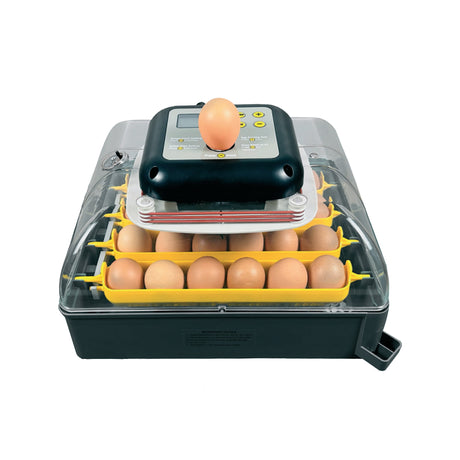
If you want to hatch your first flock, use our guide to incubating duck eggs for the temperature, humidity, turning, lockdown, and hatch-day details. You can also compare duck egg incubators if you are still choosing equipment.
Day-Old Ducklings
Day-old ducklings require a brooder, supplemental heat, appropriate feed, water, and close observation during their first weeks. Ducklings may be sold straight-run or sexed, depending on the hatchery and breed.
Starting with ducklings is hands-on, but it also gives you the chance to learn each bird's behavior as the flock develops.
Juvenile or Adult Ducks
Juvenile and adult birds usually cost more upfront, but they let you skip the most intensive brooding stage.
Sex can also become easier to identify as common domestic ducks mature. Females tend to make a stronger, louder quack, while drakes generally have a quieter, raspier voice. Appearance varies by breed, so I would not rely on one physical characteristic for every duck.
When buying older birds, ask about age, health, previous housing, and why they are being sold.
What Does It Actually Cost to Raise Ducks?
Keeping ducks can be inexpensive, expensive, or somewhere in the middle. The birds themselves are often not the largest part of the cost.
| Starting Route | What You Need | Costs People Often Forget |
|---|---|---|
| Hatching your own ducks | Incubator, hatching eggs, brooder, heat source, feeder, waterer, bedding, and starter feed | Incubator parts, electricity, brooder cleaning, extra bedding, and equipment for unsuccessful or staggered hatches |
| Starting with ducklings | Ducklings, brooder, heat source, feeder, waterer, bedding, and starter feed | Frequent bedding changes, larger waterers as birds grow, and a grow-out setup before adult housing |
| Starting with juvenile or adult ducks | Birds, secure housing, run or yard, feeders, waterers, bedding, and appropriate feed | Predator upgrades, fencing, drainage, pool or bathing-water maintenance, repairs, and replacement bedding |
Before buying anything, make a simple list of one-time and recurring costs. Housing, feeders, waterers, brooders, and incubators may last for years. Feed, bedding, repairs, and veterinary care continue for as long as you keep the flock.
Ducks also bring one recurring expense that new keepers sometimes underestimate: moisture management. Ducks drink and excrete more water than chickens, so bedding and wet areas usually need more attention.(2)
Choosing Ducks by Purpose, Climate, and Management
Whether you hatch your own eggs or start with ducklings, juveniles, or adults, I would consider three things before choosing the birds themselves: purpose, climate, and management style.
Purpose
Why are you raising ducks?
Eggs, meat, companionship, breeding, showing, and pest control all point toward somewhat different breed choices. Some breeds are highly productive layers. Others grow quickly for meat. Some are strong foragers, while others are kept largely for appearance or temperament.(4)
Climate
Think about the conditions your birds will experience throughout the year, not only when you bring them home.
Breed size, feathering, ability to fly, and heat or cold tolerance can all affect management. Cornell specifically notes that breed selection should take local weather conditions into account.(3)
Management Style
How do you plan to keep your ducks?
Will they live primarily in a secure pen? Will they have access to a larger yard or pond? Are you planning a duck-only flock, or will the property also house chickens or other poultry?
Your answer affects fencing, water management, predator protection, drainage, and the amount of daily cleaning you should expect.

Raising Ducklings for Beginners
Raising ducklings is one of the most enjoyable ways to start a flock, but young ducklings need warmth, clean water, dry resting areas, appropriate feed, and close observation.
Setting Up a Brooder
A brooder provides the warm, protected environment ducklings need before they are ready for adult housing.
Basic brooder requirements include:
- Heat: One common Extension schedule starts ducklings at around 90 to 95°F during the first week and reduces the temperature by about 5°F per week until the brooder reaches roughly 70°F or the ducklings are around three to four weeks old. Other duck-management programs use somewhat lower starting temperatures, so I treat the thermometer as a starting point and watch the ducklings themselves. Birds crowding tightly near the heat are probably cold, while ducklings consistently staying far away from it may be too warm.(5)(2)
- Bedding: Use clean, dry, absorbent bedding with secure footing. Ducklings make bedding wet quickly, so expect to replace or refresh it often.
- Feed: Use a starter ration formulated for ducks or waterfowl when possible. Ducklings have higher niacin requirements than chickens, and inadequate niacin can contribute to leg and hock problems during growth.(9)
- Medicated feed: Do not assume medicated chicken starter is suitable for ducklings. Cooperative Extension advises against using medicated chicken feed for ducks because medication levels are calculated around chicken feed intake, and ducks generally consume more feed. That can result in an excessive dose for waterfowl.(6)
- Water: Ducklings should always have fresh drinking water available with their feed. Ducks can choke when eating dry feed without water nearby, so the waterer should be positioned close to the feeder. It also needs to let them drink and clean their bills without allowing very young birds to become soaked and chilled.(6)
- Draft protection: Keep the brooder protected from drafts while maintaining fresh air and good ventilation.
The First Several Weeks
- Week 1-2: Focus on warmth, hydration, starter feed, dry bedding, and making sure every duckling is eating and drinking.
- Week 3-4: Continue reducing supplemental heat as conditions allow and increase available space as the ducklings grow.
- Week 5-6: Adjust feed, waterers, and housing according to growth and feather development.
- After that: Move birds toward a grow-out area or adult housing when their feather development and weather conditions make the transition appropriate.
I would not use a fixed indoor deadline for every flock. Cornell notes that ducklings may spend time outside much earlier when weather conditions are warm enough, while supplemental heat remains important when birds cannot maintain their own body temperature.(2)
Young ducklings do not need a swimming pool. Cooperative Extension advises against allowing ducklings to swim during roughly their first three weeks because their down does not provide enough insulation to protect them from chilling, except under exceptionally warm conditions.(5)
If you are offering treats, forage, or whole grains rather than only a complete formulated feed, make sure the birds have access to appropriately sized grit.
When newly shipped ducklings arrive, my first priority is making sure they find fresh water quickly. I may also use a poultry electrolyte product during shipping stress, but clean drinking water itself is the essential starting point.
As your ducklings outgrow the brooder, grow-out pens can give young birds more room before they move into their permanent setup.
Types of Duck Breeds
There are many domestic duck breeds, but most birds kept in backyard flocks fall into two broad groups: common domestic ducks descended from the Mallard and Muscovy ducks.(3)
Mallard-Derived Ducks
Most common domestic ducks descend from the Mallard, Anas platyrhynchos. Familiar breeds in this group include Pekins, Rouens, Calls, Indian Runners, Khaki Campbells, Cayugas, Magpies, Anconas, and many others.(3)
These breeds can differ dramatically. A Pekin is a large, fast-growing meat-type duck. A Campbell or Runner may be chosen primarily for egg production. Anconas and several other active breeds are excellent foragers.(4)

Mallard, Anas platyrhynchos - Image source: Wikipedia
Muscovy Ducks
Muscovies, Cairina moschata, are genetically distinct from common domestic ducks and originated in South America. They are also unusual in several practical ways.(3)
Muscovies can fly much better than heavy breeds such as Pekins, and unlike most domestic ducks they may perch or roost above the ground. They are also considerably quieter than many common domestic duck breeds, with drakes commonly hissing rather than producing a typical duck quack.
If noise is one of your biggest concerns, Muscovies are worth considering. But their ability to fly and their different behavior need to be accounted for when you plan fencing and housing.

Muscovy duck, Cairina moschata - Image source: Wikipedia
Raising Ducks for Eggs and Meat
Raising Ducks for Eggs
Duck eggs are one of the main reasons many people keep ducks. They are generally larger than standard chicken eggs, and many people like their rich yolks and how they perform in baking.(6)
I would not recommend duck eggs as an automatic substitute for someone with a chicken-egg allergy. Research has identified cross-reacting proteins between hen and duck egg whites, so anyone managing an egg allergy should follow medical advice rather than assuming duck eggs will be tolerated.(11)
For a productive laying flock, nutrition, genetics, age, environment, and lighting all matter.
Laying ducks need an appropriate layer ration rather than simply whatever poultry feed happens to be available. Ducks should also have clean drinking water directly beside or very close to the feeder because they can choke on dry feed if water is not readily available.(6)
When continuous egg production is the goal, Cornell recommends extending the daily light period to about 14 to 17 hours and avoiding decreases in day length. Without supplemental lighting, production generally becomes more seasonal as natural day length changes.(2)
High-producing duck breeds and strains can lay more than 200 eggs per year, and some can approach or exceed 300 under good management. Khaki Campbells, Indian Runners, Welsh Harlequins, Anconas, Magpies, Silver Appleyards, and other productive breeds are all worth considering depending on your goals.(4)(7)
Egg color varies by breed. Depending on the breed, duck eggs may be white, tinted, blue, green, or very dark. Anconas can also produce spotted eggs, while Cayuga eggs may begin very dark and become lighter as the laying season progresses.(7)
Production is strongly influenced by genetics, but husbandry, diet, health, season, and environment still affect how an individual flock performs.
Raising Ducks for Meat
Pekins and Muscovies are two common choices for meat production, although their growth rates are different.
Pekins grow quickly and may reach market size at around seven to eight weeks under good management. Muscovies develop differently and are generally processed later. Other breeds such as Rouens, Silver Appleyards, and Saxonies may also be used for meat or dual-purpose flocks.(4)
If meat production is your goal, choose the breed first and build the feeding and processing plan around its growth rate rather than assuming every meat duck follows the same timeline.
We will cover meat duck management in greater detail in a future article. If you already plan to process birds at home, you can review our duck processing equipment.
Housing Ducks
Ducks need many of the same basic things we think about with other poultry: protection from weather and predators, ventilation, dry bedding, enough room, food, and clean drinking water.
But there is one management difference you will notice very quickly: water.
Ducks drink and excrete more water than land fowl, which puts much more moisture into their housing. Cornell specifically recommends extra attention to litter, ventilation, drainage, and waterer placement for this reason.(2)
How Much Water Do Ducks Need?
Ducks should have clean drinking water that lets them submerge their bills and clean their nares. Waterers designed for poultry can work as long as the opening is wide enough for the duck's bill.(2)
Ducks do not require swimming water in order to grow and reproduce normally. However, Cornell notes that access to water for wading or swimming can be beneficial, particularly in warm conditions because water helps ducks release excess body heat.(1)
If you provide a shallow pool, expect mud.
Ducks can turn clean water cloudy remarkably quickly. Small backyard pools may need to be emptied and refreshed daily depending on the number of ducks, the size of the pool, and how quickly the water becomes dirty.
Sleeping and Resting Areas
Unlike chickens, most domestic ducks do not need elevated roosts at night. They are usually comfortable bedding down on a dry floor.
Simple shelters can work well as long as they are secure, ventilated, dry, and large enough for the flock. If ducks share a building with roosting poultry, make sure the ducks have a sleeping area where birds above them are not dropping manure onto their bedding.
In my setups, I aim for at least around 8 to 10 square feet of outdoor run space per duck, and I prefer more when the property allows it. More space generally gives you more options for managing mud, water, and worn ground.
Water management matters as much as the shelter itself. A well-built duck house can become wet and unpleasant very quickly if the waterer sits directly over absorbent bedding with nowhere for spilled water to drain.
Can Ducks and Chickens Live Together?
Some people successfully keep ducks and chickens on the same property or even in shared housing. Personally, I prefer keeping my ducks and chickens separately.
The two species use their environment differently. Ducks create much more moisture around water, sleep on the floor rather than roosting, and need drinking water suited to the size and shape of their bills. Chickens generally prefer a drier environment and elevated nighttime roosts.
Mixed flocks also require careful attention to breeding behavior. Drakes and roosters have substantially different reproductive anatomy.(10) I don't allow drakes to mate chicken hens, and I consider the risk of injury too high.
If you choose to keep both species, make sure ducks can get in and out of water areas easily, keep the bedding as dry as possible, provide enough space for birds to get away from one another, and pay close attention to flock behavior.
Water is usually where the management difference becomes obvious. Give ducks a clean pool and they can make it muddy within minutes. That is normal duck behavior, but it means the keeper has to plan drainage and cleaning around it.
Common Mistakes Beginners Should Avoid
A few planning mistakes can make duck keeping much harder than it needs to be.
Common problems I would avoid include:
- Skipping local research: Check zoning, flock limits, noise rules, and housing requirements before getting birds.
- Underestimating water management: Ducks need drinking water deep and wide enough to clean their bills and nares, and spilled water can make bedding wet very quickly.
- Keeping one duck alone: Ducks are social birds and should have other ducks for company.
- Assuming ducks are managed exactly like chickens: Their water use, resting habits, feed considerations, and moisture levels are different.
- Ignoring mixed-flock breeding behavior: If chickens and ducks share space, closely manage drakes and do not allow them to mate chicken hens.
- Overcrowding: Too many birds in too little space makes moisture, sanitation, competition, and disease management more difficult.
- Weak predator protection: Ducks are vulnerable to many of the same predators as other backyard poultry. Secure the flock at night and account for predators common in your area.
- Choosing a breed based only on appearance: Consider purpose, temperament, body size, climate, ability to fly, and egg or meat production too.
- Replacing balanced feed with scraps: Use an appropriate complete ration as the nutritional foundation of the flock.
- Allowing feed to become moldy: Some molds produce toxins that can be particularly harmful to ducks, so feed should be stored in a dry location and discarded if it becomes moldy.(1)
- Forgetting biosecurity: Wild birds, new poultry, contaminated equipment, footwear, and shared water can introduce disease. Daily biosecurity matters even in a small backyard flock.(8)
If your ducks eat whole grains, forage, or treats that need to be ground in the gizzard, provide appropriately sized grit.
Starting with a manageable flock and observing your ducks every day will teach you their normal behavior. That makes changes in appetite, movement, drinking, breathing, or social behavior much easier to notice.
Is Raising Ducks Right for You?
Ducks can be a great fit if you have room for a small social flock, can manage the extra water and wet bedding that come with them, and are prepared to choose breeds around your actual goal.
Egg layers, meat ducks, breeding birds, and backyard companions can require different setups. Deciding what you want from the flock before bringing birds home will save you a lot of trouble later.
If you are used to chickens, expect some familiar basics, but don't assume the management is identical. Ducks use water differently, sleep differently, create considerably more moisture and mud, and need housing that accounts for those habits.
Start with a manageable number of birds. Have the brooder or housing ready before they arrive. Pay attention to how your ducks behave, and adjust the setup when the flock shows you something isn't working.
Once you understand their routine, ducks are remarkably enjoyable birds to keep. And yes, poultry math applies to ducks too. A lot of people start with a few and somehow find room for several more.
If you are still deciding whether poultry fits your property and routine, you can also read about the reasons people choose to raise poultry.
References
- Cornell University College of Veterinary Medicine, Duck Research Laboratory. Duck Nutrition.
- Cornell University College of Veterinary Medicine, Duck Research Laboratory. Duck Housing and Management.
- Cornell University College of Veterinary Medicine, Duck Research Laboratory. Domestic Ducks.
- Jacob, J. Cooperative Extension. Selecting a Duck Breed for Small or Backyard Poultry Flocks.
- Jacob, J. Cooperative Extension. Raising Meat Ducks in Small and Backyard Flocks.
- Jacob, J. Cooperative Extension. Feeding Ducks for Egg Production in Small Flocks.
- The Livestock Conservancy. Heritage Duck Breed Comparison Chart.
- USDA Animal and Plant Health Inspection Service. Defend the Flock.
- Merck Veterinary Manual. Vitamin Deficiencies in Poultry.
- Brennan, P. L. R., Clark, C. J., & Prum, R. O. (2010). Explosive Eversion and Functional Morphology of the Duck Penis Supports Sexual Conflict in Waterfowl Genitalia. Proceedings of the Royal Society B.
- Langeland, T. (1983). A Clinical and Immunological Study of Allergy to Hen's Egg White: Occurrence of Proteins Cross-Reacting With Allergens in Duck and Other Avian Egg Whites. Allergy.
Written by:

Aryeh Wiesel