
Table of Contents
- What Is a Bantam Chicken?
- How Big Are Bantam Chickens?
- Bantam Chickens vs Standard Chickens
- Popular Bantam Chicken Breeds
- What Are Bantam Chickens Like?
- Can Bantams Live With Standard Chickens?
- Bantam Eggs: Size, Laying, and Cooking
- Raising Bantam Chicks
- Housing Bantam Chickens
- Bantams in the Backyard
- Are Bantam Chickens Right for You?
If you put a bantam beside a standard-sized chicken, the first difference is obvious. Bantams are much smaller. But size is only the beginning.
Some bantams are smaller versions of breeds that also exist as large fowl. Others are true bantams with no standard-sized counterpart. Once you start keeping them, their smaller size affects everything from eggs and feed use to flock dynamics, housing, and how carefully you need to think about predators.
I have kept several types of bantams over the years, and some of my favorite chickens have been bantams. If you are considering adding them to your flock, here is what I think is worth knowing first. And review Hatching Time products as you can find the most innovatiove poultry supplies in the market.
Quick answer: A bantam chicken is a small chicken. Some bantams are miniature versions of standard breeds, while true bantams exist only in the smaller form. Their exact size, temperament, egg production, broodiness, and appearance depend heavily on the breed.(1) (3)

What Is a Bantam Chicken?
Bantams are considerably smaller than standard-sized chickens, although the exact size difference varies by breed. Many popular standard breeds also come in bantam form. A true bantam, on the other hand, is a breed that exists only in bantam size without a large-fowl counterpart.(1) (3)
The American Poultry Association currently recognizes 61 bantam chicken breeds divided into six bantam classes. Those classes include Modern Game, Game, Single Comb Clean Legged, Rose Comb Clean Legged, All Other Comb Clean Legged, and Feather Legged bantams.(1) (2)
That is why the word bantam does not tell you everything about a chicken. A Silkie, Sebright, Japanese Bantam, and Old English Game Bantam may all be small birds, but their appearance, temperament, activity level, broodiness, and suitability for a particular flock can be very different.
How Big Are Bantam Chickens?
The size difference becomes much easier to appreciate when you see the birds standing next to each other.
One of my Japanese bantam mix hens hatched Rhode Island Red chicks for me. By the time the Rhode Island Reds were around six months old, they were at least three times her size. Watching a tiny hen raise chicks that eventually towered over her gives you a pretty good idea of how different the scale can be.

In my experience, many standard-sized chickens I work with fall somewhere around 5.5 to 7.5 pounds, while many bantams are closer to 1.5 to 2 pounds. Those are practical ranges rather than rules. Breed standards vary widely, and some bantams are much smaller or larger than others.
The same goes for feed. In my experience, a standard-sized chicken may eat around 2 pounds of feed in a week, while a bantam may eat closer to half a pound. Breed, age, season, activity, and the feed itself all affect consumption, but a 50-pound bag certainly lasts longer with a flock of bantams than it does with the same number of large-fowl chickens.
Bantam Chickens vs Standard Chickens
Size changes more than the amount of room a bird occupies. It affects feed use, egg size, housing needs, and sometimes how easily the bird fits into an established flock.
| Feature | Bantam Chickens | Standard Chickens |
|---|---|---|
| Body size | Much smaller, with exact size depending on breed | Larger, with substantial variation between breeds |
| Feed use | Generally less because of their smaller body size | Generally more feed per bird |
| Egg size | Smaller eggs | Larger eggs, depending on breed |
| Penn State minimum indoor space | 1 sq. ft. per bird | 1.5 sq. ft. per laying hen |
| Penn State minimum outdoor run space | 4 sq. ft. per bird | 8 sq. ft. per laying hen |
| Mixed flock considerations | The size difference can affect pecking order and access to feed, water, and preferred areas of the coop. | |
The housing figures above are Penn State Extension minimums rather than a target for packing as many birds as possible into a space. I prefer giving birds more room whenever the setup allows it.(4)
Bantams have also long been popular for exhibition, companionship, and ornamental appeal, although many still produce useful eggs.(7)
Popular Bantam Chicken Breeds
There is no single type of bantam personality or appearance.
Some of the bantams you may come across include:
- Silkies: fluffy, distinctive birds that I have found to be particularly sweet and docile.
- Sebrights: small, striking birds with beautifully laced feathers. They look like living works of art to me.
- Old English Game Bantams: tiny birds that can have enormous confidence and attitude.
- Japanese Bantams: very small birds known for their distinctive shape and short legs.
- Cochin Bantams: rounded, heavily feathered birds with feathered legs and feet.
- Belgian d'Uccles: another feather-legged bantam, usually with beards and muffs.
- Polish Bantams: recognizable by the large crest of feathers on the head.
There are also bantam versions of familiar large-fowl breeds such as Rhode Island Reds, Plymouth Rocks, Wyandottes, and Leghorns.(1)
If you are choosing bantams for your flock, I would look at the breed rather than choosing based on size alone. Two birds can both be bantams and still have very different personalities, activity levels, and management needs.
What Are Bantam Chickens Like?
This is where generalizations about bantams get difficult.
Some are extremely gentle. My experience with Silkies has been that they are very docile birds. Others can be remarkably bold for their size. Old English Game Bantams, for example, may be perfectly willing to challenge birds three or four times larger than they are.
Broodiness also varies by breed. Many people value bantam hens because they make attentive mothers, and I have personally had very small bantam hens successfully hatch and raise much larger chicks.
So if somebody tells you that bantams are all quiet, delicate little garden birds, I would take that with a grain of salt. The breed and the individual chicken still matter.
Can Bantams Live With Standard Chickens?
They can, but I do not assume that every combination will work.
I don't recommend keeping one bantam by itself with a flock of large-fowl chickens, or one large-fowl chicken alone with a flock of bantams. In my experience, the lone smaller bird is more likely to get picked on, while one much larger chicken can dominate a flock of bantams.
University of Florida IFAS Extension also advises taking extra care when mixing standard chickens with bantams because the size difference can affect the normal pecking order.(5)
A mixed flock can still work. Much depends on the breeds, personalities, available space, number of birds, and how the flock is introduced.
Silkie bantams are one example where I would be cautious. They are very docile and may struggle in a rough large-fowl flock. Old English Game Bantams can be completely different and may stand their ground against birds several times their size.
Watch the birds rather than assuming an introduction succeeded because nobody fought on the first day. A bantam that is constantly chased away from food or water, cornered, feather-picked, or kept away from the preferred roost is telling you the arrangement is not working.
If you're raising young birds before flock integration, our guide to raising healthy pullets and cockerels covers that transition in more detail.
Bantam Eggs: Size, Laying, and Cooking
Bantams are often kept as pets, ornamental birds, exhibition birds, or broody hens rather than being selected purely for maximum egg production. That does not mean their eggs are not useful.

The photo above shows one of my bantam eggs beside eggs from standard-sized chickens. The size difference is obvious.
In my kitchen, I generally use about two bantam eggs when I would otherwise use one large chicken egg. If a recipe calls for an extra-large or jumbo egg, I may use three. Bantam eggs vary in size, though, so if the proportions really matter, weighing the eggs is more reliable than using a fixed substitution every time.
Bantam keepers also sometimes notice that the smaller eggs seem particularly yolk-heavy. There is research behind that observation. A study that included Cochin Bantams, Silkies, Sultans, Brahmas, and White Leghorns found that egg weight was positively associated with the proportion of albumen and negatively associated with the proportion of yolk. In other words, the smaller eggs in the study tended to contain proportionally more yolk.(6)
I notice that difference when cooking with bantam eggs, and some people specifically enjoy the higher yolk-to-white proportion.
My bantams also tend to be more productive when the days are longer. That fits the wider relationship between daylight and laying. Shorter photoperiods in fall and winter can reduce or stop egg production, while increased light supports reproductive activity in laying hens.(8)
If you want to hatch your own bantams rather than relying on a broody hen, you can compare Hatching Time's egg incubators by capacity and setup.
Raising Bantam Chicks
Bantam chicks need the same basic things as other chicks: reliable heat, clean food and water, dry conditions, protection from drafts, and enough room to move toward or away from the heated area.
The obvious difference is their size.
That means the brooder, feeder, drinker, and flooring all need to work for a very small chick rather than simply being equipment that happens to say "chicken" on the label.
Hatching Time's 9.5-inch chick brooders are the smaller brooder option and are intended for bantam chickens and other small birds. If the chicks have outgrown the brooder but are not ready for the adult flock, the 9.5-inch grow-out pens provide another stage before flock integration.
If you are raising chicks for the first time, use our Chick Brooding Guide for the full heat, feeding, setup, and first-weeks routine.
Housing Bantam Chickens
One practical advantage of bantams is that their smaller bodies require less space than large-fowl chickens.
Penn State Extension lists minimum housing space of 1 square foot indoors and 4 square feet in an outdoor run per bantam. It also recommends about 4 inches of perch space per bantam, with perches around 12 to 18 inches above the floor.(4)
I still prefer treating those numbers as a starting point. More room gives lower-ranking birds places to move away from dominant flock mates and gives you more flexibility around feeders, waterers, roosts, and enrichment.
For a backyard setup, a smaller chicken coop may suit bantams very well. Check the actual small-breed capacity of the coop rather than assuming a compact coop can hold a large number of birds simply because bantams are small.
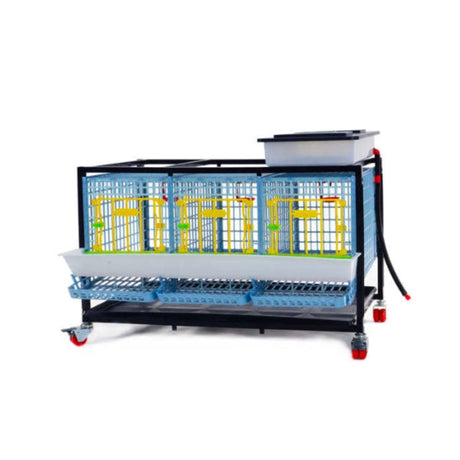
Bantams can also be useful in more structured breeding setups. Hatching Time's 15-inch chicken breeding cage is specifically sized for smaller breeds and lists Silkies, Sebrights, Cochin Bantams, Belgian d'Uccles, Japanese Bantams, Dutch Bantams, and other bantams among the breeds it can accommodate.
The one-layer model is designed for 3 to 6 bantams and can be divided when you need smaller breeding groups. That can be useful if you are keeping specific pairs or lines together and want to know exactly where your hatching eggs came from.
Bantams in the Backyard
If you have a smaller property or a manicured garden, bantams can fit into the space very comfortably.
In my experience, they usually do less damage while foraging than the same number of standard-sized chickens. They are still chickens, so I would not expect them to politely ignore every seedling you care about, but their smaller feet and bodies can make them easier to live with in a planted yard.

I also think bantams look especially at home in cottage gardens and lush planted areas. Their size, feather patterns, and personalities make them part of the character of the garden rather than simply livestock standing beside it.
The tradeoff is that a smaller chicken can also look like an easier meal.
Take extra care when free-ranging bantams around hawks, cats, foxes, raccoons, and other local predators. Secure housing matters even more when the birds themselves are small.
If predators are a concern where you live, our guide to predator-proofing a chicken coop covers wire, latches, digging predators, aerial predators, and other weak points to check.

Are Bantam Chickens Right for You?
Bantams can be a great beginning to a flock, or a completely different direction for somebody who has kept standard-sized chickens for years.
If your main goal is maximum egg size and production, I would probably look at a larger production breed. If you want smaller birds, interesting personalities, broody hens, ornamental breeds, or chickens that fit more comfortably into limited space, bantams become much more interesting.
My favorite bantam breeds are Silkies and Sebrights. Silkies because they are just so fluffy and sweet. Sebrights because they really are living works of art.
My all-time favorite bantams have been two Old English Game x Cochin bantam crosses. They were the sweetest girls and followed me everywhere.
I'd also really like to raise some d'Uccles. I think they are adorable with their feathered legs and beards.
That is one of the things I enjoy most about bantams. Choosing a small chicken does not mean choosing one type of chicken. There are enough breeds, personalities, colors, and characteristics that two bantam flocks can look completely different from each other.
What bantam breeds are your favorites?
References
- American Poultry Association: Accepted Breeds & Varieties - https://amerpoultryassn.com/accepted-breeds-varieties/
- American Poultry Association: Joint APA/ABA Show Report, Bantam Classes - https://amerpoultryassn.com/wp-content/uploads/2025/11/APA_Show_report_Final_11.3.25.pdf
- University of Maryland Extension: Choosing the Best Poultry Breed for Your Small Farm - https://extension.umd.edu/resource/choosing-best-poultry-breed-your-small-farm-fs-987
- Penn State Extension: Small Scale Poultry Housing - https://extension.psu.edu/small-scale-poultry-housing
- University of Florida IFAS Extension: Raising Backyard Chickens for Eggs - https://ask.ifas.ufl.edu/publication/AN239
- Tyc et al. External and Internal Quality Traits of Eggs from Different Ornamental Chicken Breeds. Polish Journal of Veterinary Sciences, 2023 - https://pubmed.ncbi.nlm.nih.gov/37727127/
- University of Wisconsin-Madison Extension: Chicken Breeds & Varieties - https://livestock.extension.wisc.edu/articles/chicken-breeds-varieties-a2880/
- Penn State Extension: Artificial Lighting for Winter Egg Production - https://extension.psu.edu/artificial-lighting-for-winter-egg-production
Written by:

Aryeh Wiesel
Poultry Enthusiast & ExpertAryeh is from New Jersey and currently works on a poultry research farm. He holds a degree in Agriculture & Food Systems Science from Rutgers University. Aryeh has over a decade of experience working with poultry. Besides his passion for poultry, he is also an avid orchid grower. Aryeh met HatchingTime at the end of 2020 when doing poultry research with a Rutgers professor.